

Soundproof Flooring: The Complete Guide to Floor and Subfloor Noise Reduction
Soundproof Flooring: The Complete Guide to Floor and Subfloor Noise Reduction
Whether it’s footsteps through a wooden floor or machinery noise through an industrial subfloor, effective floor soundproofing starts with understanding which type of noise you’re actually dealing with.
Impact Noise vs Airborne Noise in Flooring
Floor soundproofing fails most often because the wrong problem gets solved.
Impact noise, footsteps, dragged furniture, dropped objects, travels through the structure of the building itself and requires a resilient, energy-absorbing layer beneath the finished floor.
Airborne noise, voices, music, traffic, travels through air gaps and requires mass and sealing.
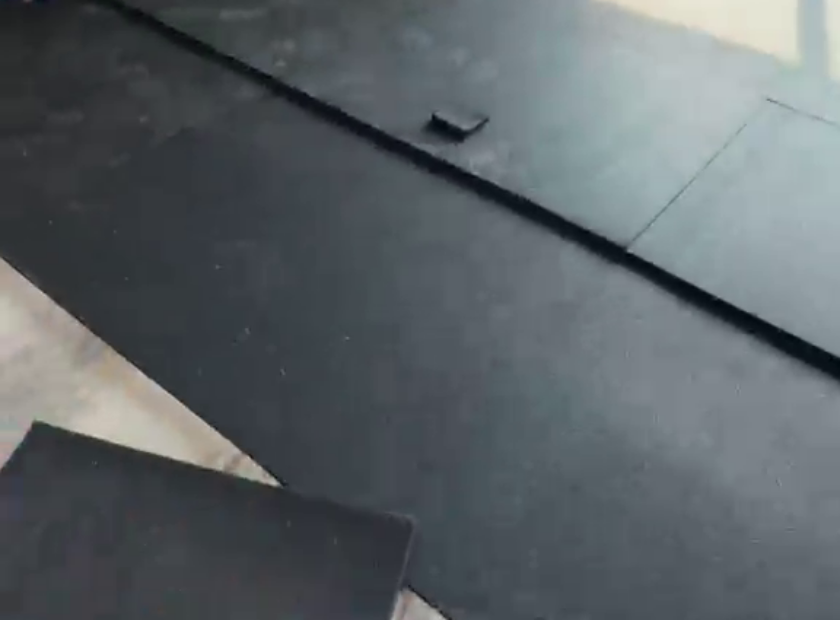
A rubber underlayment addresses impact noise directly, which is why subfloor noise reduction projects almost always specify a resilient rubber layer between the subfloor and the finished surface.
Why Wooden Floors Are the Hardest Case
Wooden floor soundproofing is particularly challenging because timber structures transmit impact noise efficiently and often lack the mass of concrete slabs.
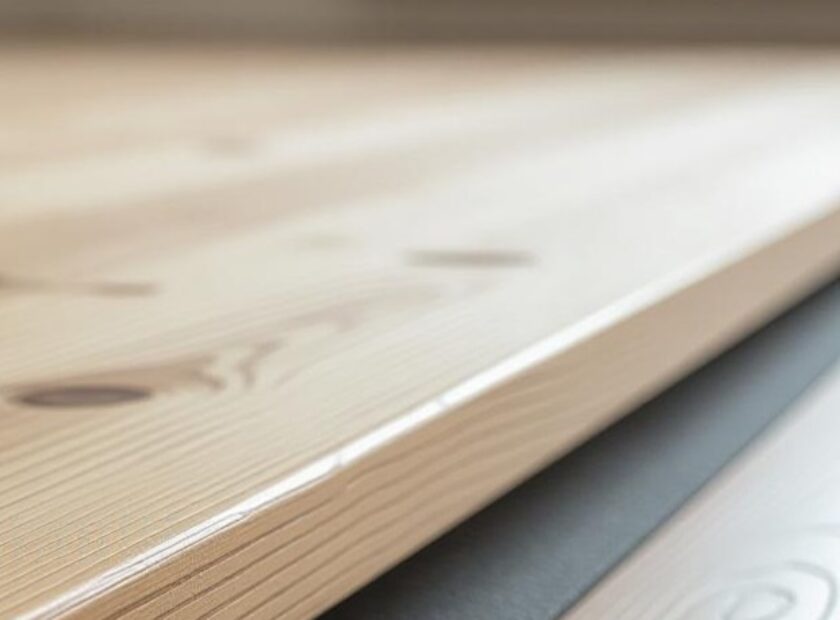
Soundproofing a wood floor typically means adding a dense, resilient underlayment directly beneath the flooring material, combined, where possible, with decoupling from the joist structure to break the direct vibration path.
Subfloor Noise Reduction: What Actually Works
Effective subfloor noise reduction relies on a resilient rubber or rubber-cork layer installed between the structural subfloor and the finished flooring.
This layer absorbs impact energy before it can transfer into the structure below.
Density, thickness and full-surface contact (no gaps or voids) are the three variables that determine real-world performance, more than any single product specification in isolation.
Choosing Between Rubber and Rubber-Cork Underlayment
Pure rubber underlayment offers higher density and durability under heavy loads, making it suited to commercial and industrial flooring.
Rubber-cork composite rolls combine rubber’s mass with cork’s natural resilience and thermal properties,
often preferred in residential retrofit projects where comfort underfoot and moisture resistance are additional priorities.
Building Regulations and Impact Noise Requirements
Many residential building codes across English-speaking markets set minimum impact and airborne noise insulation requirements for floors separating dwellings, particularly in multi-family and multi-story buildings.
Floor soundproofing specified purely on comfort grounds can end up under-performing a project’s actual legal requirement if the underlayment’s tested Impact Insulation Class or Ln,w value isn’t checked against the applicable code before installation.
Contractors and specifiers working on regulated multi-unit projects should always request laboratory-tested performance data for:
full floor assembly, subfloor, underlayment and finished surface together, rather than relying on the underlayment manufacturer’s standalone claims.
Common Signs a Floor Needs Better Soundproofing
Recurring complaints about footsteps, dragged furniture or dropped objects being clearly audible from the room below are the clearest indicator that subfloor noise reduction needs attention.
A secondary sign is when carpet is removed in favor of hardwood or laminate flooring during a renovation.
Since this routinely removes the incidental impact absorption the old carpet was providing, often without anyone noticing until the new floor is installed and neighbors start complaining.
Choosing Between a Sub-Screed Underlay and a Direct Floating-Floor Underlay
Not every rubber underlayment installs the same way, and the distinction matters more than the acoustic spec sheet alone suggests.
A sub-screed underlay is laid beneath a newly poured floor screed, the standard approach in new construction, where the screed itself becomes the working surface for the finished flooring.
A direct floating-floor underlay, by contrast, installs straight beneath the finished flooring with no new screed at all, the standard approach in renovation, where adding a full new screed layer isn’t practical or would raise floor height too much.
Getting this choice right at the start of a project avoids specifying the wrong installation method entirely, independent of which underlay thickness or density is chosen.
Worth a look too: MGE sub-screed underlay product page, MGC direct floating-floor underlay product page, Acoustic Underlay for Carpets & Floors and Rubber Soundproofing Sheets & Rolls.