

How Thick Should a Rubber Sound Deadening Sheet Be?
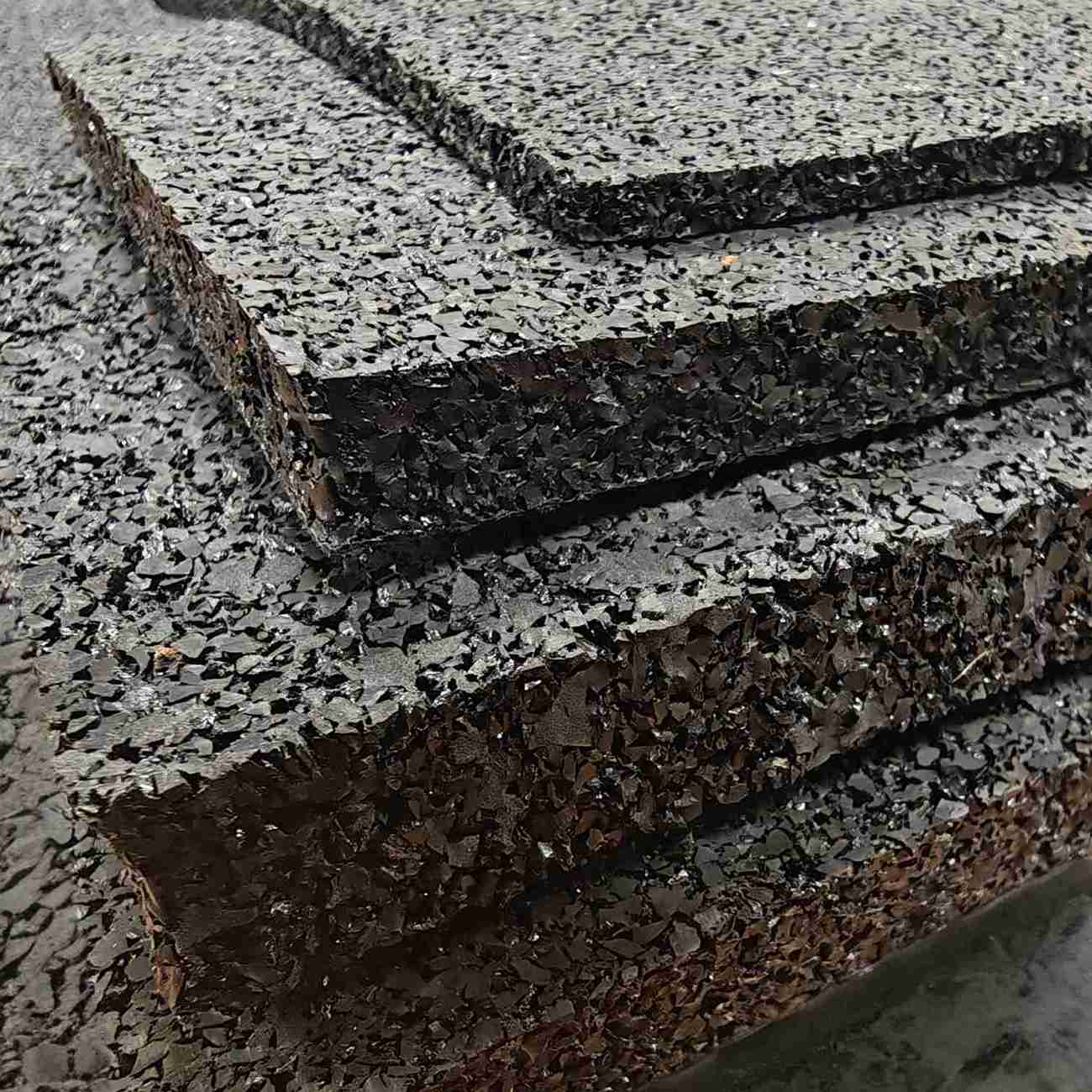
How Thick Should a Rubber Sound Deadening Sheet Be?
Thickness alone doesn’t guarantee performance. Here’s how density and thickness interact, and how to choose the right specification for your application.
Thickness Is Only Half the Equation
Buyers often assume that a thicker sound proof sheet automatically performs better, but density plays an equally important role. A 5 mm sheet at 900 kg/m³ can outperform a 10 mm sheet at 400 kg/m³ in airborne noise reduction, because what matters is total mass per square meter, not thickness in isolation. This is why any serious sound damping sheet specification should list both figures together, never one without the other.
Typical Thickness Ranges by Application
For subfloor underlayment beneath resilient flooring, 2–5 mm is common, prioritizing impact noise reduction without raising floor height significantly. For machinery isolation pads and industrial flooring, 8–20 mm sheets are typical, where both vibration damping and durability under load matter. For partition wall systems requiring high airborne noise reduction, 15–20 mm high-density panels are generally specified, often combined with a double-layer drywall assembly.
Diminishing Returns and Practical Limits
Beyond a certain thickness, gains in noise reduction per additional millimeter drop off, while cost, weight and installation complexity keep increasing. This is particularly relevant in retrofit projects, where added floor or wall thickness may not be structurally or spatially viable. A well-specified rubber soundproofing sheet balances measurable acoustic gain against these practical constraints, rather than defaulting to “thicker is better.”
Requesting the Right Technical Data
When sourcing rubber sound proofing in bulk, always request density (kg/m³), thickness tolerance, and, where available, laboratory-tested Rw or IIC values for the finished assembly, not just the raw material. A supplier able to provide consistent batch-to-batch specifications is essential for architects and contractors who need to reproduce documented performance across a project.
The Rule of Thumb We Actually Use With Clients
Here’s the shortcut we give distributors when they don’t have a lab report in hand yet: for light residential impact noise (footsteps under carpet or laminate), 2–5 mm at moderate density usually gets the job done. For airborne control in walls or heavy commercial floors, you want 15–20 mm at 600 kg/m³ or above, don’t bother with anything less, it won’t move the needle. Everything in between is a judgment call, and honestly, most of the “which thickness do I need” questions we get could be answered in five minutes if people checked density first instead of guessing based on mm alone. That single habit, thickness as a proxy for seriousness, ignoring density, is the most common mistake we see in specification requests, full stop. Worth a look too: Rubber Soundproofing Sheets & Rolls hub, Subfloor Noise Reduction article and Acoustic Rubber Rolls product page.