

Sound Deadening Sheets vs Foam: What’s the Real Difference
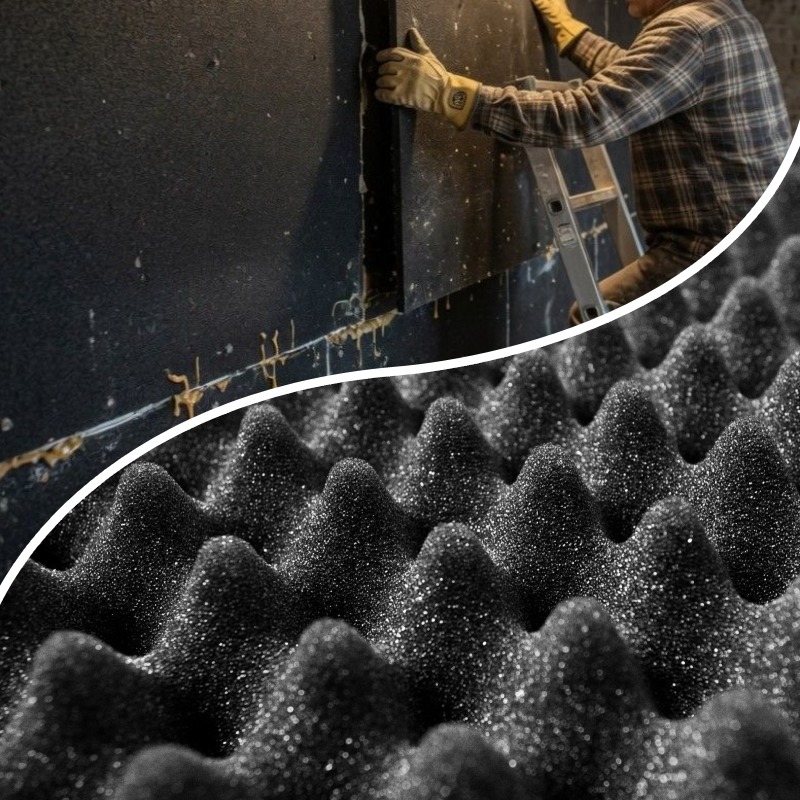
Sound Deadening Sheets vs Foam: What's the Real Difference
The two materials are often confused, but they solve different acoustic problems. Here’s how to tell them apart before you specify one for a project.
Mass vs Absorption: Two Different Mechanisms
A sound damping sheet made of dense rubber works by adding mass to a surface, which physically resists the transmission of vibrational energy, this is the mass law in acoustics. Foam, by contrast, works through absorption: its open-cell structure traps airborne sound waves and converts them into small amounts of heat through friction. This means foam reduces reverberation and echo inside a room, while a rubber soundproofing sheet reduces the amount of sound that passes through a wall, floor or ceiling into the next space.
When Foam Is the Right Choice
Foam panels are effective in recording studios, home theaters and offices where the goal is to control internal echo and improve speech clarity. They are lightweight, easy to install with adhesive, and available in decorative finishes. However, foam alone does almost nothing to stop noise from traveling into an adjacent room or floor below, this is a common and costly specification mistake.
When a Rubber Sound Deadening Sheet Is the Right Choice
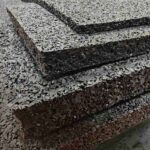
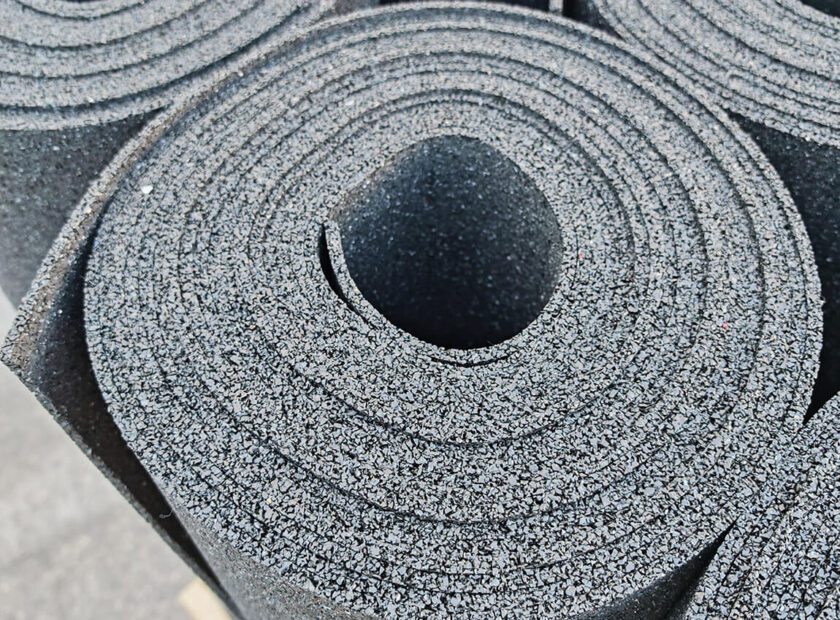
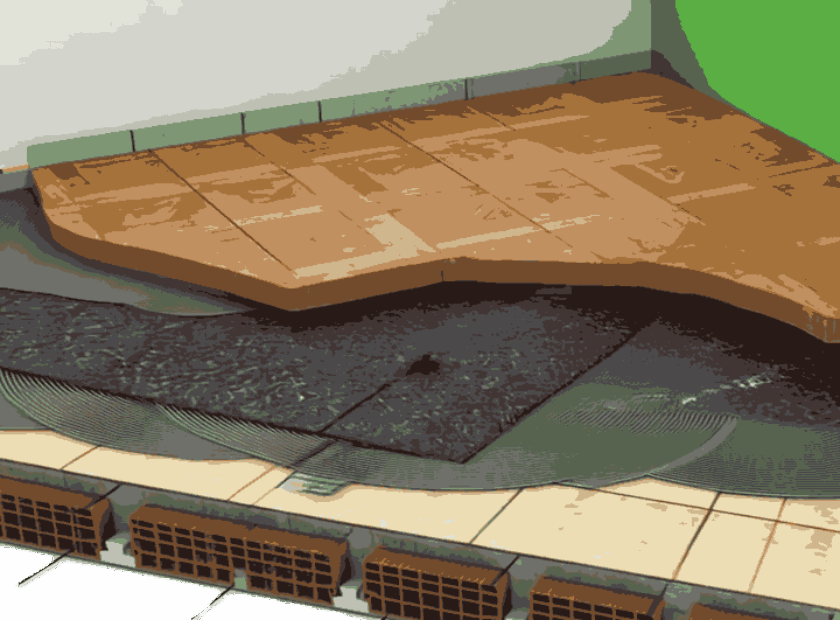
If the goal is to prevent noise transfer between spaces, footsteps through a floor, machinery vibration through a subfloor, or voices through a partition wall, a soundproofing sheet with sufficient density and thickness is the correct material. Recycled vulcanized rubber sheets typically range from 400 to 900+ kg/m³ in density, offering significant mass in a manageable thickness, which makes them practical for retrofit projects where space is limited. Our Acoustic Rubber Rolls fall into this category.
Combining Both for Best Results
In professional acoustic design, the two materials are frequently combined: a mass layer (rubber sheet) to block transmission, paired with an absorptive layer (foam or mineral wool) to manage reverberation on the finished surface. Specifying only one without understanding which problem you’re solving is the most common reason acoustic treatments underperform in the field. If the wall itself is the problem rather than the floor, our guide to rubber panels for partition walls covers that case specifically.
How to Tell Which Problem You Actually Have
Before specifying either material, it helps to identify the complaint precisely. If the issue is that a room sounds harsh, echoey, or makes conversation hard to follow, that’s a reverberation problem inside the room, foam or absorptive panels are the answer. If the issue is that noise from one room or floor is clearly audible in another, voices through a wall, footsteps from above, machinery noise through a floor, that’s a transmission problem, and only a mass-based sound deadening sheet will meaningfully address it. Many acoustic complaints are described vaguely as “too much noise,” so asking specifically where the noise is coming from and where it’s being heard is the fastest way to identify the correct material category before any product gets specified or purchased. For the full picture on sheets and rolls, head back to our rubber soundproofing sheets and rolls guide.