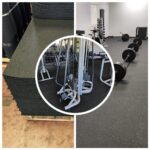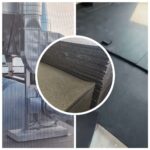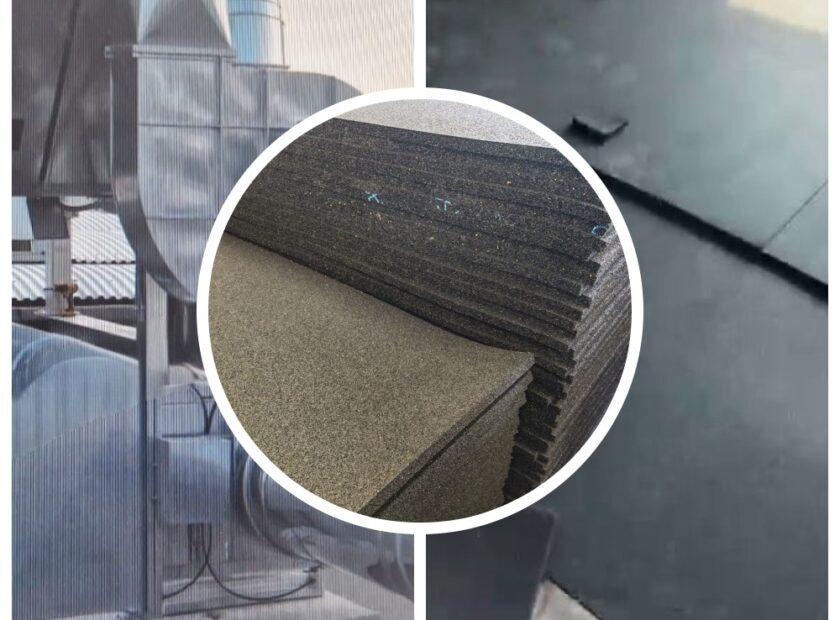


Rubber Roll Flooring for Gyms: Noise Reduction Guide
Rubber Roll Flooring for Gyms: Noise Reduction Guide
Gym floors face a unique combination of high-impact loading and sustained noise complaints from neighboring spaces, here’s how to specify flooring that handles both.
The Specific Noise Challenge of Gym Flooring
Free-weight areas generate high-energy impact noise unlike almost any other commercial setting, and gym floor rolls need to absorb this energy at the point of impact to prevent it transmitting into the building structure.
Standard commercial flooring, even when carpeted, is rarely adequate for weightlifting zones without a dedicated rubber layer beneath or as the primary surface.
Thickness Recommendations by Zone
Cardio and functional training areas typically perform well with 8–10 mm rubber roll flooring, prioritizing comfort and moderate noise reduction.
Free-weight and Olympic lifting platforms generally require 15–20 mm or layered rubber systems, since dropped-weight impact generates significantly more energy than typical foot traffic.
Full-Roll Installation vs Interlocking Tiles
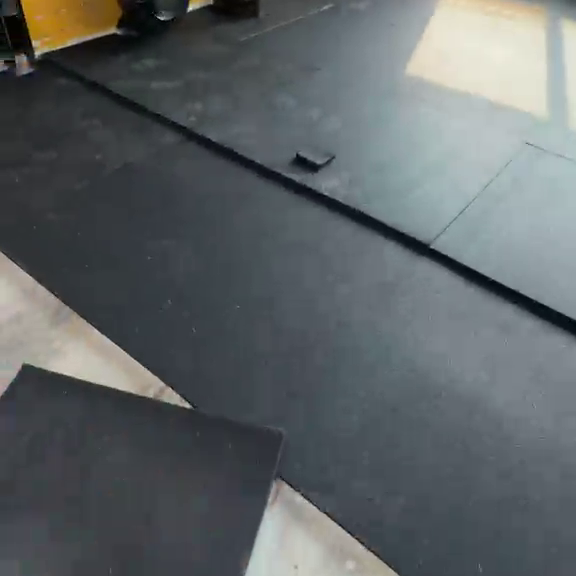
A continuous rolled rubber mat installation reduces the number of seams across a gym floor.
Both improves acoustic continuity and simplifies long-term cleaning and maintenance compared to interlocking tile systems, where dirt and moisture tend to accumulate at the joints over time.
Protecting the Structure Below
Beyond noise, rubber roll flooring also protects the structural subfloor and any equipment from repeated impact damage.
A consideration operators often underweight relative to acoustics alone, but one that directly affects the building’s long-term maintenance costs and lease agreements in shared commercial spaces.
What to Ask a Landlord or Building Manager Before Installing
Gyms operating in shared or multi-tenant buildings should confirm noise transmission expectations with the building manager or landlord before finalizing a rubber roll flooring specification, since lease agreements increasingly include specific noise clauses tied to neighboring tenants.
Requesting the underlying structural floor’s mass and construction type (concrete slab vs timber joist) helps determine whether rubber roll flooring alone will be sufficient, or whether additional measures, such as a floating floor system with resilient mounts, may be needed to meet a lease’s stated noise limits, particularly for facilities located above occupied residential or office space.
Planning for Future Layout Changes
Gym layouts change frequently as equipment and class formats evolve, and a continuous rubber roll installation is generally easier to work around during a partial reconfiguration than a tiled system, since new equipment zones can often be marked or adapted without needing to replace individual sections.
Specifying a slightly larger initial coverage area, or keeping a small reserve of matching material from the original batch, makes future layout adjustments considerably simpler. Worth a look too: Rubber Mats & Rolls hub, MGE sub-screed underlay product page and Rubber Roll Flooring: Bulk Buying Guide.