

Best Soundproof Underlay for Carpet: Rubber vs Foam vs Fiber
Best Soundproof Underlay for Carpet: Rubber vs Foam vs Fiber
The right soundproof underlay for carpet depends on traffic level, building type and how long the performance needs to last.
Why Underlay Choice Changes the Outcome
The carpet itself contributes relatively little to impact noise reduction; the underlay beneath it does most of the acoustic work.
Choosing the best soundproof underlay for carpet means matching material properties to the actual use case;
a decision that’s frequently made on price alone, to the detriment of long-term acoustic performance.
Rubber Carpet Underlay
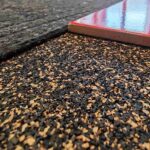
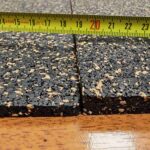
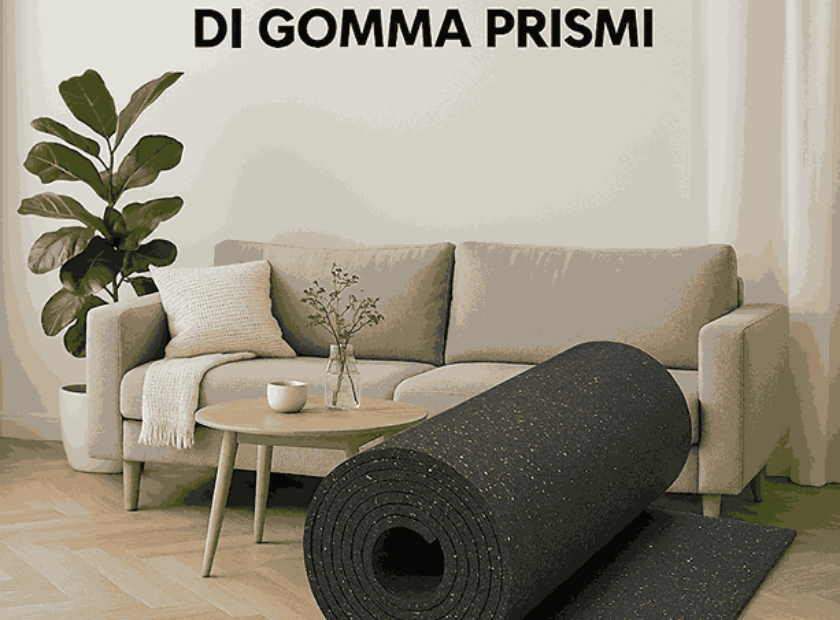
Rubber-based sound absorbing carpet underlay offers the highest density among common options, providing strong impact noise reduction that holds up under sustained foot traffic.
It resists compression over time better than foam, which matters in commercial and multi-family residential settings where the underlay needs to perform consistently for years, not months.
Foam Carpet Underlay
Foam is the most common budget option and performs adequately when new, but its acoustic performance degrades as the material compresses under repeated loading.
In low-traffic residential settings this may be acceptable; in commercial or rental properties, it often leads to complaints reappearing within a few years.
Fiber Carpet Underlay
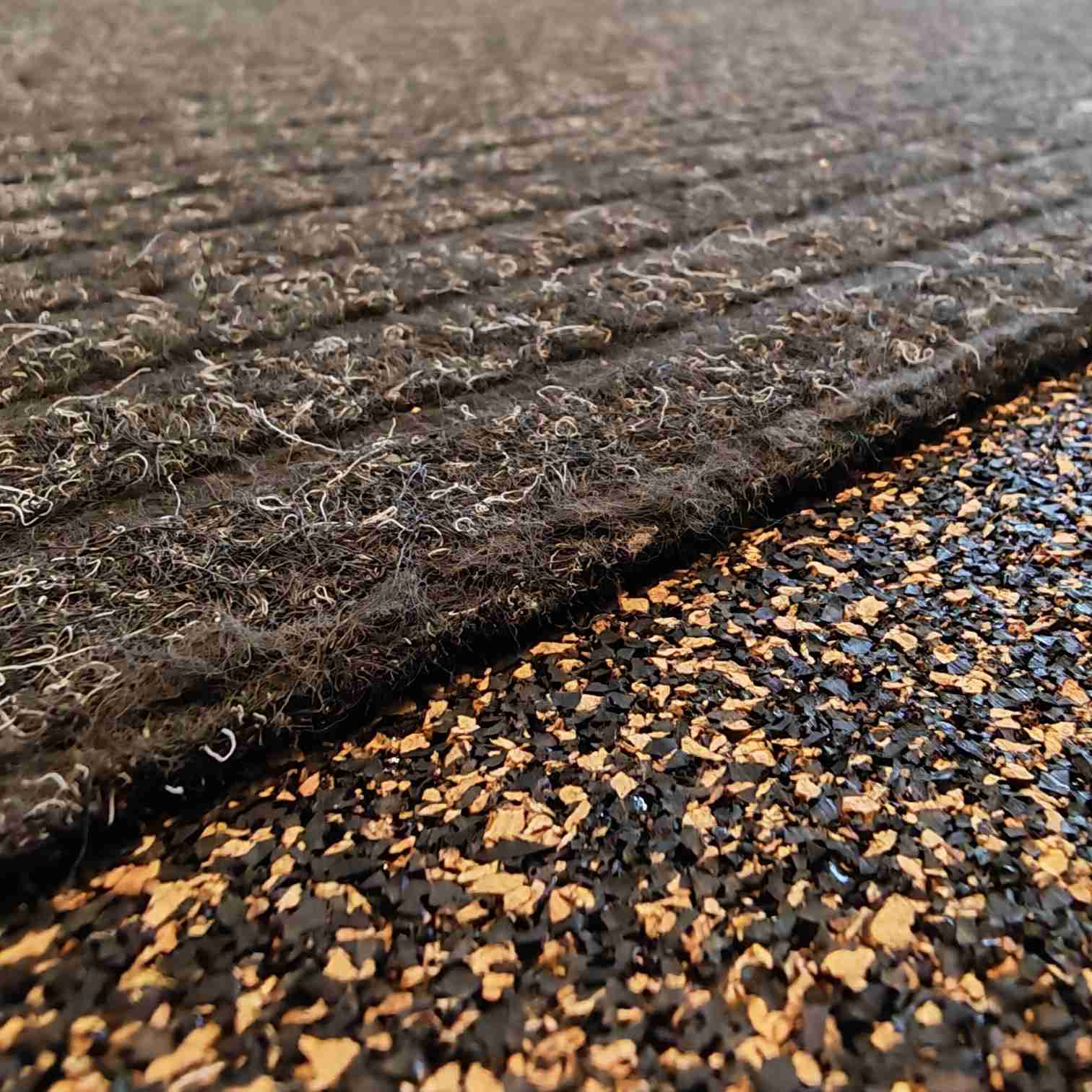
Felt and recycled fiber underlays offer good thermal insulation and a firmer feel underfoot, but their acoustic performance for impact noise is generally lower than rubber at equivalent thickness.
They are sometimes chosen for sustainability certifications, though rubber-cork composites can offer a comparable or better environmental profile alongside superior acoustic mass.
Making the Final Choice
For any project where a documented soundproof underlay for carpet performance figure will be needed for compliance or client reporting.
rubber or rubber-cork options provide the most predictable, testable results, and the longest service life before replacement.
Cost Over Time, Not Just Purchase Price
A comparison based only on upfront material cost misses the bigger picture: foam underlay’s tendency to compress means it may need replacing well before the carpet above it is due for renewal, effectively doubling installation labor cost over the life of the floor.
Rubber-based underlay, while typically more expensive per square meter at purchase, generally matches or exceeds the service life of the carpet itself.
Making it the more cost-effective choice over a 10+ year horizon in commercial and rental residential settings where replacement labor is a significant expense.
Our Honest Take, by Setting
If it’s your own home with light foot traffic, any of the three options will probably do fine, the acoustic demands just aren’t that high.
But for rental properties, hotels, or multi-family buildings, we’d steer people toward rubber every time.
Turnover and durability matter more there than the extra cost upfront, and replacing compressed foam underlay every few years ends up costing more in labor than rubber ever would have in materials.
Worth a look too: Acoustic Underlay for Carpets & Floors hub, Acoustic Rubber Cork Rolls product page and Sound Deadening Sheets vs Foam.