

Rubber Mats & Rolls for Gym and Industrial Flooring
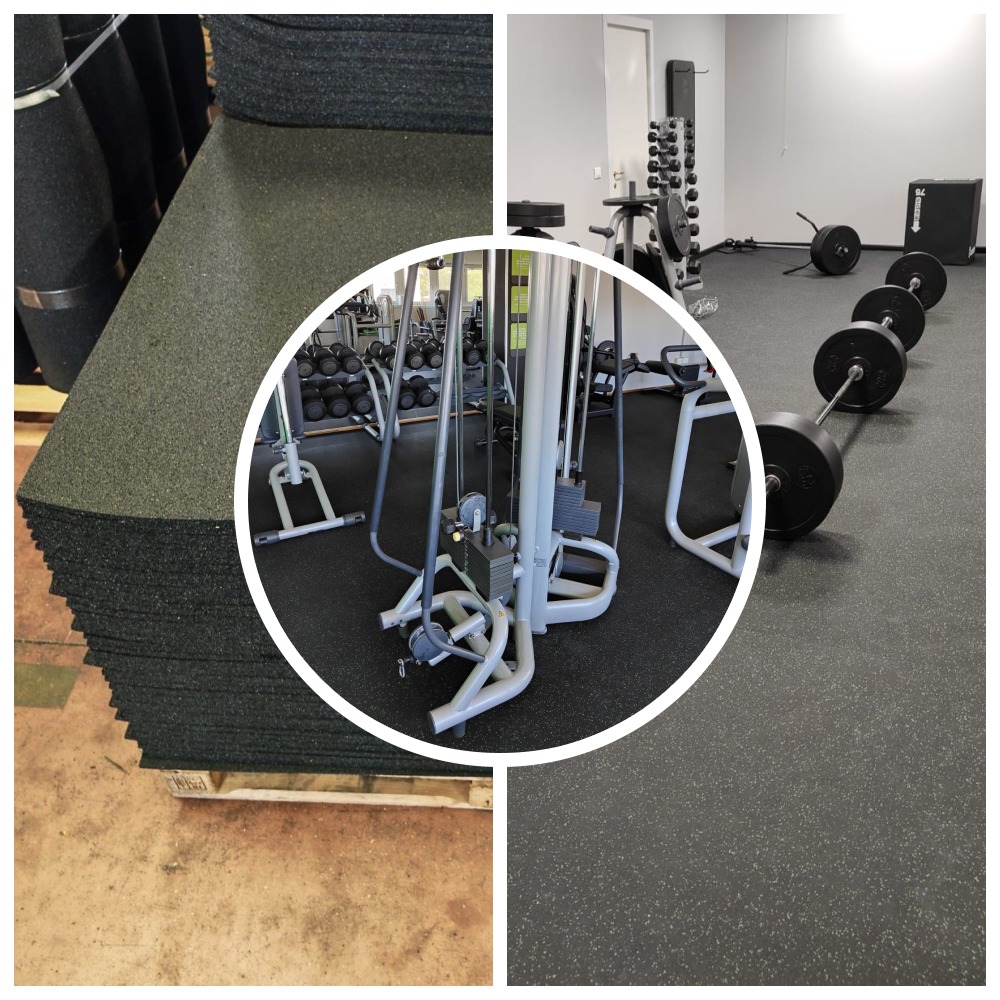
Rubber Mats & Rolls for Gym and Industrial Flooring
Heavy loads, dropped weights and constant foot traffic demand a different specification approach than residential soundproofing. Here’s what matters.
Why Gyms and Industrial Floors Need Rubber Rolls
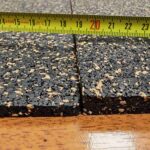
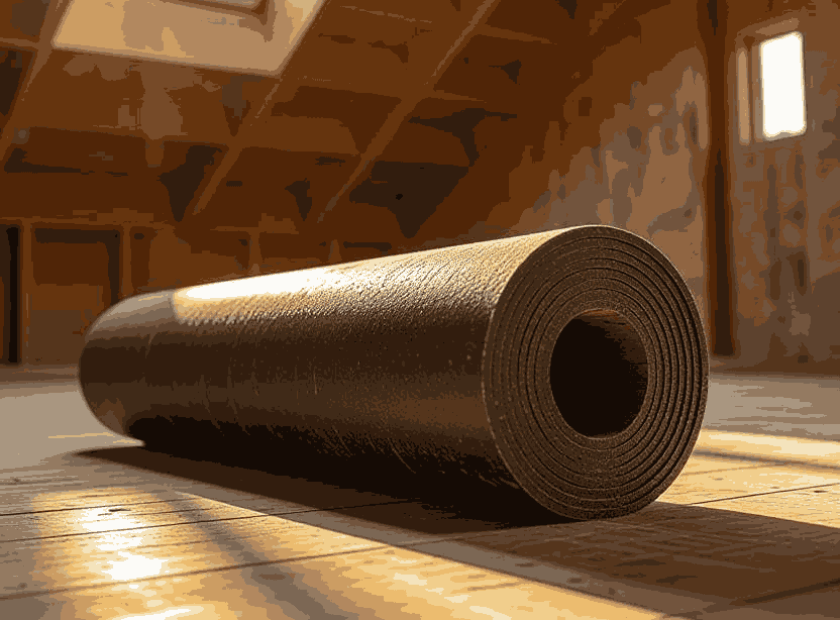
A rubber floor mat roll is the standard solution wherever a floor needs to absorb repeated impact, dropped weights, machinery vibration, forklift traffic, while also protecting the structural subfloor from damage.
Gym floor rolls in particular must combine sound deadening performance with resistance to point-load impact, a combination that dense rubber delivers better than foam-based alternatives, which compress and degrade quickly under this kind of use.
Rolled Rubber Mat vs Individual Tiles
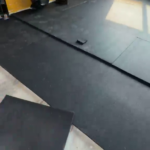
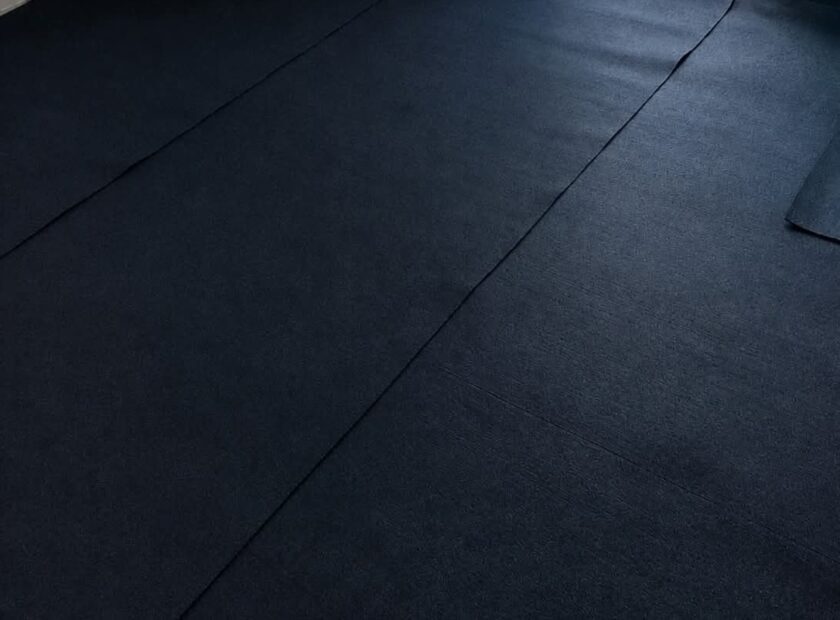
A rolled rubber mat installation minimizes seams across large areas, which matters both for acoustic continuity and for reducing trip hazards and maintenance points in commercial gym or warehouse settings.
Individual rubber tiles are easier to replace section by section but introduce more joints, each one a potential weak point for noise transmission and wear.
Sound Deadening Floor Mats: Impact Noise Control
Sound deadening floor mats in a gym environment need to control the impact noise generated by dropped weights, which can transmit through several floors of a building if the subfloor isn’t adequately isolated.
A dense rubber roll installed as the primary flooring layer, rather than a thin mat placed on top of hard flooring, delivers meaningfully better long-term impact absorption.
Sourcing Rubber Rolls for Commercial Projects
For gym operators, contractors and flooring distributors, bulk sourcing of rubber roll flooring requires attention to density, thickness, and batch consistency.
Since large installations depend on uniform performance across the full covered area.
Sub-Screed vs Topside: A Distinction People Mix Up Constantly
We get this question wrong-way-round more than almost any other: a sub-screed underlay, installed beneath a poured concrete or resin floor, cuts impact and machinery vibration transmission into the structure, that’s what Prismi’s MGE roll is built for, in new-build or major renovation work.
A topside rubber mat is a completely different thing: the visible, walkable surface layer taking direct hits from foot traffic and dropped weights.
Confuse the two and you’ll either order a structural underlay that can’t survive being walked on, or a finish product that was never meant to sit under a screed. It sounds obvious written down, but we field this mix-up regularly.
Maintenance and Longevity in High-Traffic Settings
Rubber floor mat roll installations in gym and industrial settings face constant abrasion, occasional chemical exposure (cleaning products, sweat, oils) and sustained UV or artificial light exposure depending on the facility.
High-quality recycled rubber rolls are formulated to resist surface degradation under these conditions far longer than foam-based alternatives, which tend to show wear, staining and compression within a few years under comparable use.
Regular cleaning with pH-neutral products and prompt attention to any seam separation extends service life significantly and preserves the acoustic and impact-absorption performance the flooring was specified to deliver.
Cost Considerations for Large-Area Installations
Rubber roll flooring is typically priced per square meter based on thickness and density, but total project cost depends heavily on installation labor, which is directly affected by roll format. Fewer, wider rolls generally reduce labor time and seam count compared to narrower rolls or tiles, even if the material cost per square meter is similar, a factor gym operators and contractors should weigh alongside the base material price when comparing supplier quotes for large-area projects. Worth a look too: MGE sub-screed underlay product page, Rubber Soundproofing Sheets & Rolls and Soundproof Flooring Guide.