

Rubber Roll Flooring: Buying in Bulk for Industrial and Commercial Projects
Rubber Roll Flooring: Buying in Bulk for Industrial and Commercial Projects
For distributors, installers and manufacturers, sourcing rubber roll flooring at scale means evaluating far more than price per meter.
Why Roll Format Matters at Scale
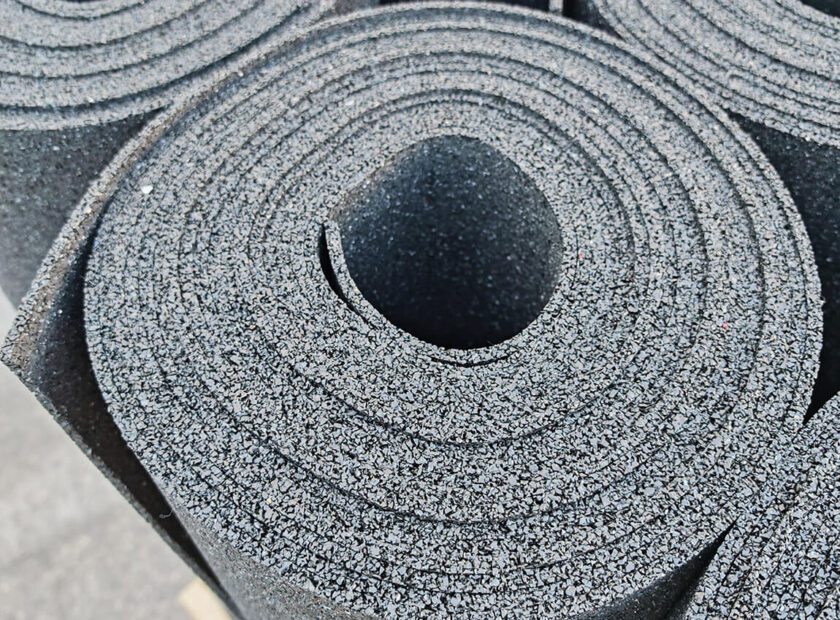
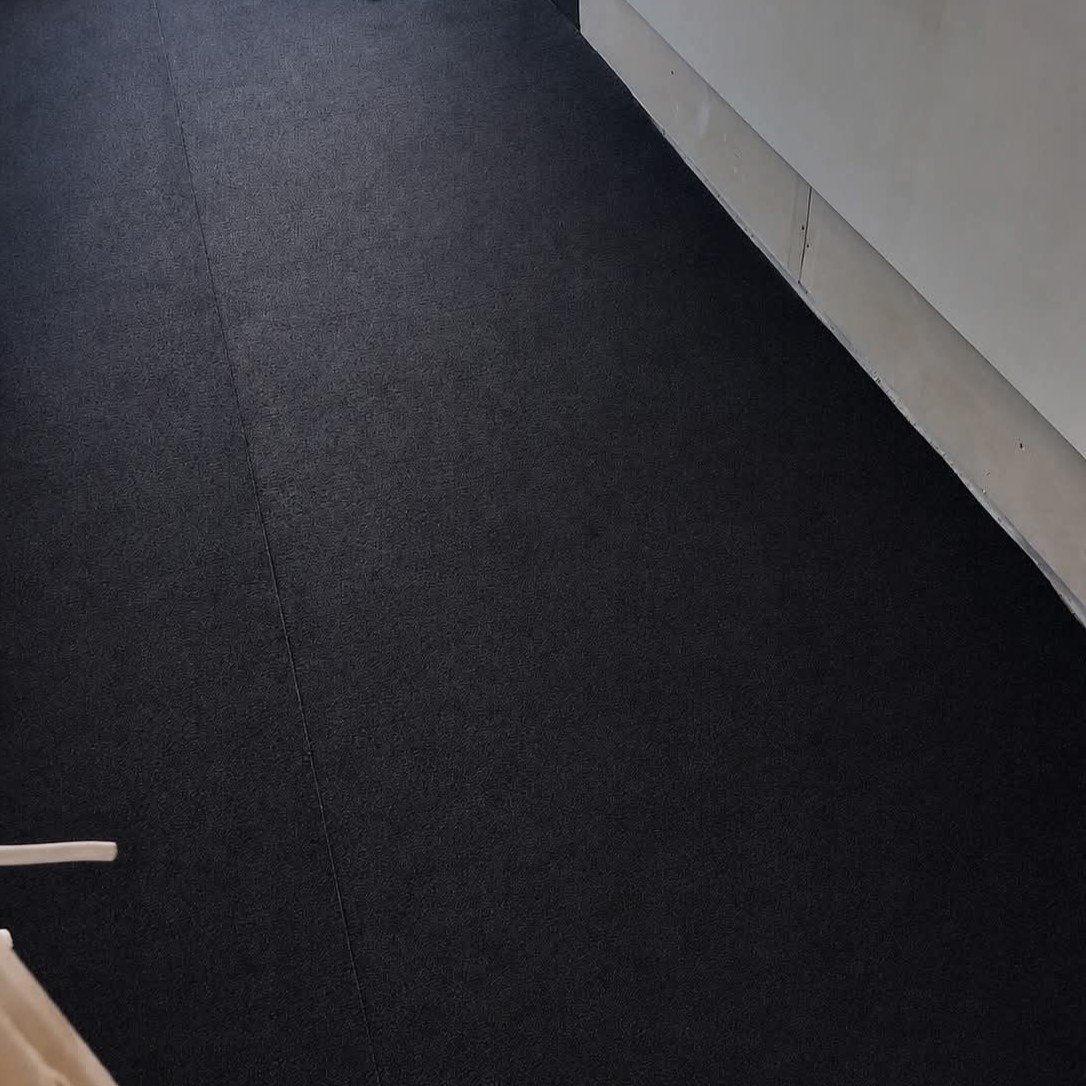
Rubber flooring rolls are the standard format for large commercial and industrial installations because continuous lengths minimize seams, each seam is a potential acoustic weak point and a long-term maintenance liability. Rubber roll flooring also speeds up installation significantly compared to individual tiles or sheets, which matters directly to labor cost on large-scale projects such as gyms, warehouses and production floors.
Roll Width, Length and Handling
Standard rubber roll flooring is typically supplied in set widths (commonly 1.0–1.25 m) and custom lengths depending on the manufacturer’s production capacity. B2B buyers should confirm maximum roll length and weight before ordering, since handling equipment and installation crew size depend directly on these figures, a detail often overlooked until delivery.
Consistency Across Batches
For distributors reselling under their own brand, or manufacturers integrating rubber roll flooring into a larger product system, batch-to-batch consistency in density and thickness is non-negotiable. Variation between production runs can create visible seams, inconsistent wear patterns, and, critically, inconsistent acoustic performance across a single installed floor.
Sourcing from a Recycled Rubber Manufacturer
Recycled vulcanized rubber rolls offer both cost efficiency at volume and a documented circular-economy sourcing story, increasingly required in public tenders and corporate sustainability reporting. Prismi produces rubber flooring rolls for B2B buyers who need consistent bulk supply with agreed lead times and stable technical specifications, including private-label options for distributors building their own product lines.
Logistics Questions to Ask Before Ordering
Beyond the material itself, large rubber roll flooring orders raise practical logistics questions that are easy to overlook until it’s too late: what is the maximum single-roll length the supplier can produce and ship, what packaging protects the rolls during transit over long distances, and what lead time should be built into a project schedule for international B2B orders. For distributors serving multiple English-speaking markets, UK, US, Canada, Australia, confirming freight and customs handling for bulk rubber shipments upfront avoids delays that can cascade into missed installation windows on committed projects.
Sample Testing Before Committing to Volume
Before placing a full bulk order, requesting sample rolls to test density, surface finish and cutting behavior on an actual job site is a low-cost way to validate a new supplier relationship. This is particularly relevant for distributors sourcing rubber roll flooring for the first time, or for existing buyers evaluating a new format or thickness, since real-world handling and installation characteristics can reveal practical issues that a technical data sheet alone won’t show. Worth a look too: Rubber Soundproofing Sheets & Rolls hub, Acoustic Rubber Rolls product page and Rubber Mats & Rolls for Gyms